
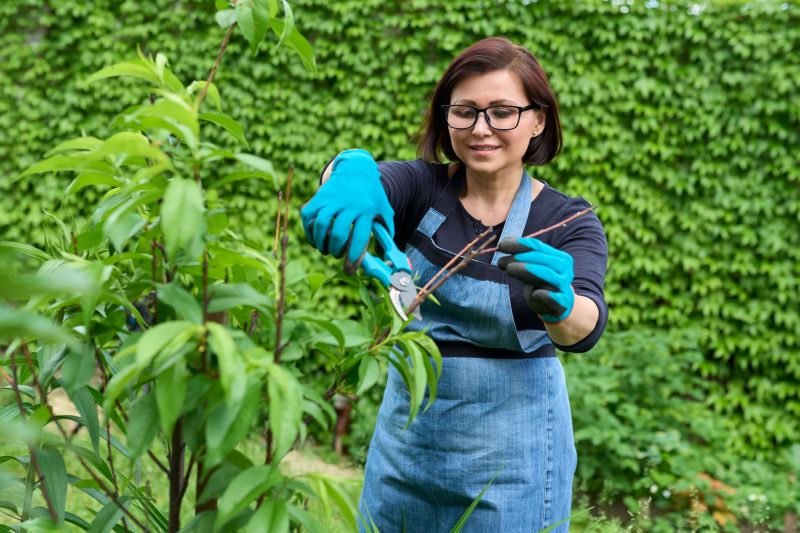
Pear Tree Pruning in San Jose, CA
Pear Tree Pruning services involve the careful trimming and shaping of pear trees to promote healthy growth, improve fruit production, and maintain an attractive appearance. This service covers a variety of projects, including removing dead or diseased branches, reducing the size of overgrown trees, and shaping the canopy to allow better sunlight penetration. Homeowners typically request pruning to enhance tree health, prevent potential hazards caused by falling branches, and ensure their pear trees remain a safe and appealing feature of the landscape.
Before requesting pear tree pruning, property owners usually want to understand the specific needs of their trees, such as the best time for pruning and the extent of trimming required. It's also helpful to consider the overall health of the tree and any particular goals, like increasing fruit yield or improving aesthetics. Proper pruning techniques are essential to avoid damaging the tree and to support long-term growth, making it beneficial to seek guidance on the appropriate methods and timing for each project.
Many property owners in San Jose, CA look into Pear Tree Pruning for repairs, replacements, upgrades, and appearance-related improvements.
Benefits Of Pear Tree Pruning
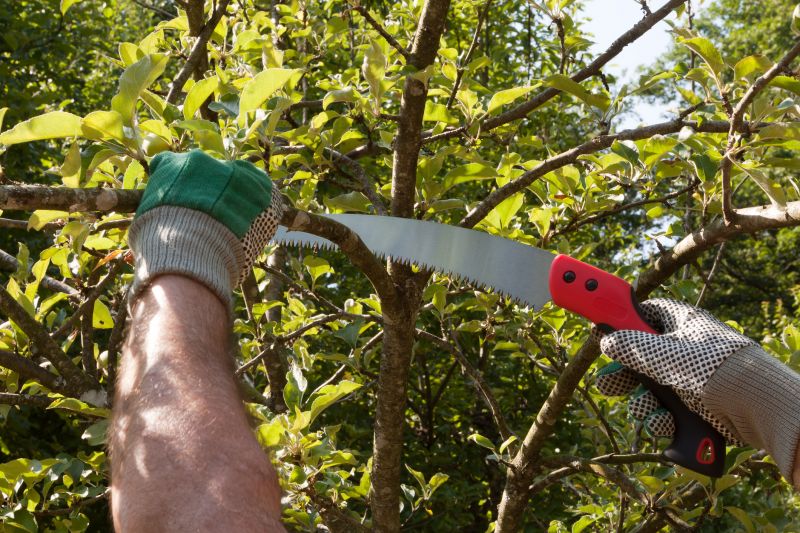
Proper pruning promotes healthy growth and enhances the appearance of pear trees in san jose gardens.
Common Pruning Techniques
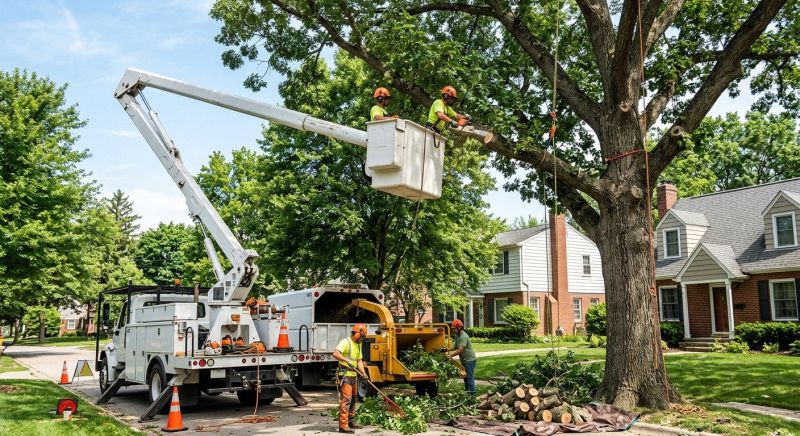
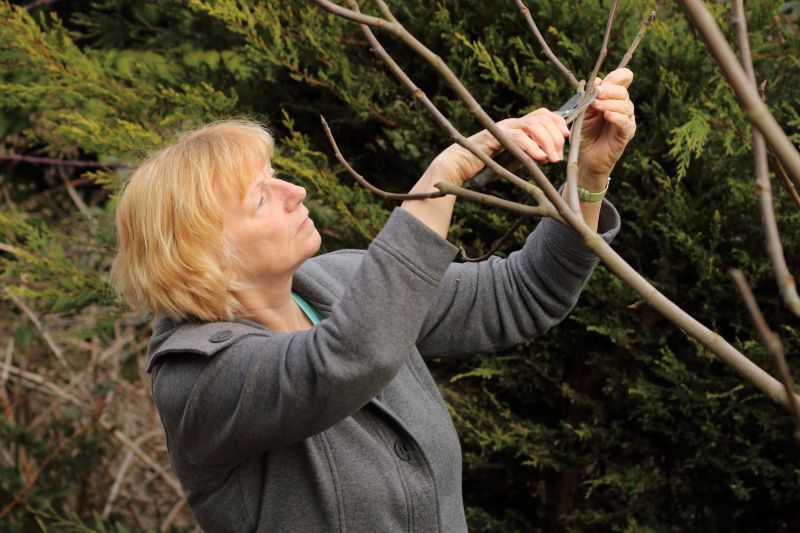
Techniques include thinning, shaping, and removing dead or diseased branches to maintain tree health.
Signs Your Pear Tree Needs Pruning
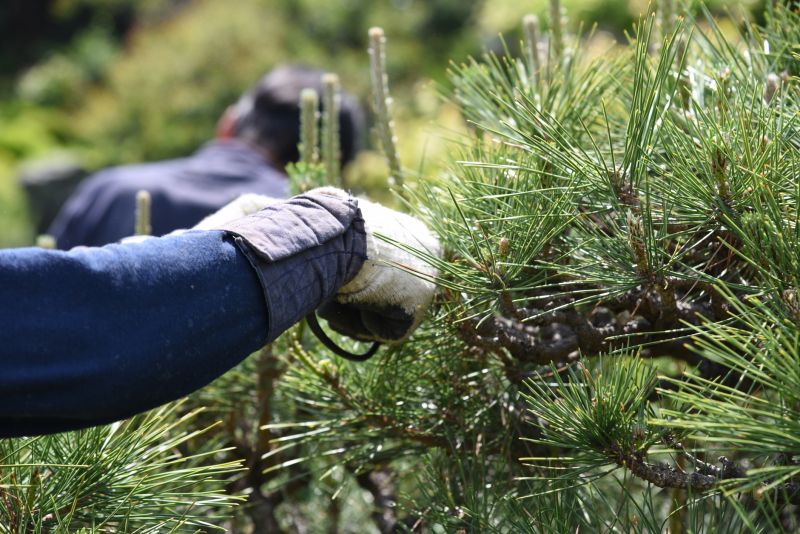
Overgrown branches, deadwood, or uneven growth are indicators that pruning can improve tree vitality.
Pear Tree Pruning in San Jose, CA

Pear Tree Pruning services involve the careful trimming and shaping of pear trees to promote healthy growth, improve fruit production, and maintain an attractive appearance. This service covers a variety of projects, including removing dead or diseased branches, reducing the size of overgrown trees, and shaping the canopy to allow better sunlight penetration. Homeowners typically request pruning to enhance tree health, prevent potential hazards caused by falling branches, and ensure their pear trees remain a safe and appealing feature of the landscape.
Before requesting pear tree pruning, property owners usually want to understand the specific needs of their trees, such as the best time for pruning and the extent of trimming required. It's also helpful to consider the overall health of the tree and any particular goals, like increasing fruit yield or improving aesthetics. Proper pruning techniques are essential to avoid damaging the tree and to support long-term growth, making it beneficial to seek guidance on the appropriate methods and timing for each project.
Many property owners in San Jose, CA look into Pear Tree Pruning for repairs, replacements, upgrades, and appearance-related improvements.
Common Pear Tree Pruning Jobs
Pear Tree Pruning Services - shaping and reducing tree size to promote healthy growth.
Fruit Tree Pruning - removing dead or diseased branches to improve fruit production.
Crown Thinning - selectively cutting branches to increase light and airflow within the canopy.
Structural Pruning - removing weak or crossing branches to strengthen tree stability.
Storm Damage Pruning - clearing broken or hazardous limbs after severe weather events.
Maintenance Pruning - regular trimming to keep trees healthy and well-shaped.
Pear Tree Pruning Questions
Why is pear tree pruning important? Pruning helps maintain tree health, encourages better fruit production, and improves overall appearance.
When is the best time to prune a pear tree? The ideal time is during late winter or early spring before new growth begins.
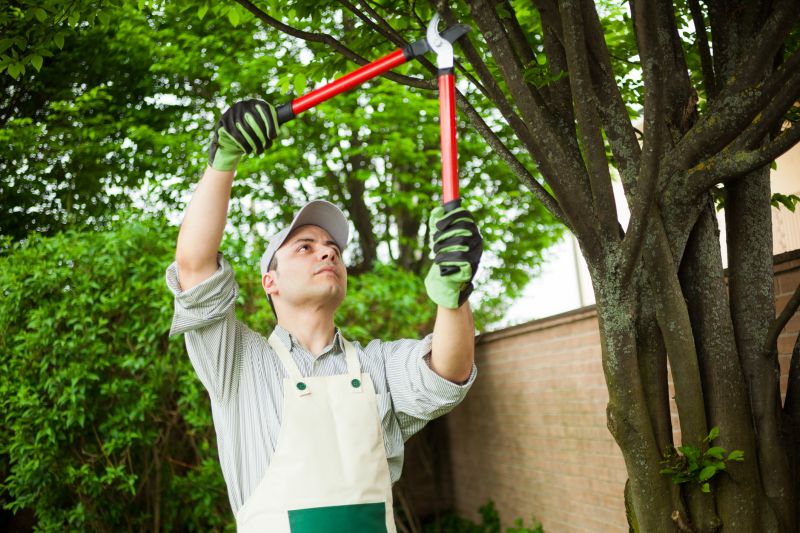
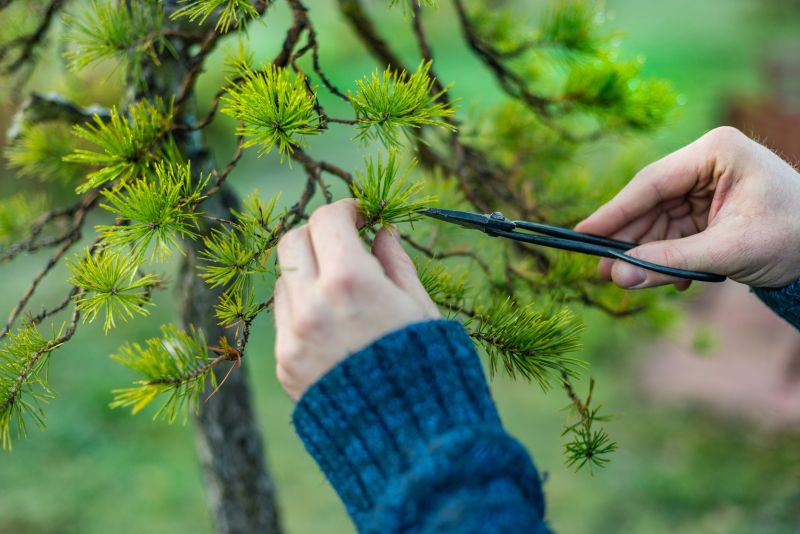
What tools are needed for pear tree pruning? Common tools include pruning shears, loppers, and a pruning saw for larger branches.
How does pruning affect the size of a pear tree? Proper pruning can control the size and shape of the tree, making it easier to manage and harvest.
Request Pear Tree Pruning in San Jose, CA
Use the quote form on this page to share the basics of your project and request more information for the type of work you need.